Why Home Lock Rekeying After a Move Is the Smartest First Call You Make
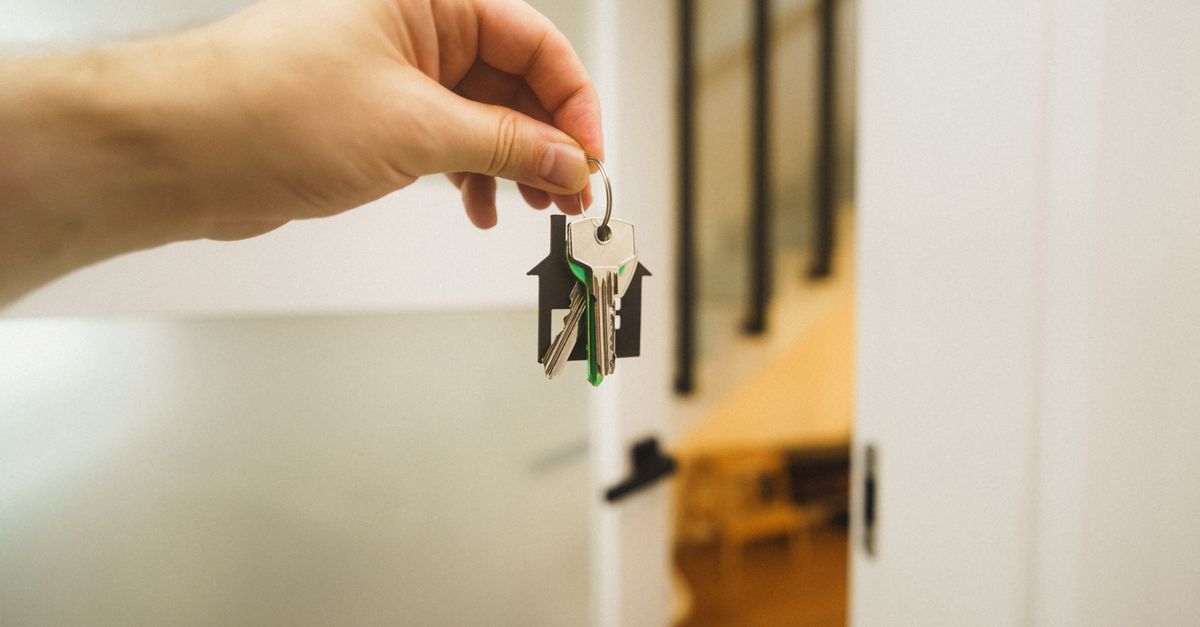
Rekeying works by replacing the tiny pin tumblers inside a lock cylinder so the old key no longer operates it. The door hardware — the knob, the deadbolt, the strike plate — stays exactly where it is. A skilled technician disassembles the cylinder, swaps the pins to match a freshly cut key, reassembles the lock, and tests it thoroughly before moving on. The result is a lock that is functionally brand new from a security standpoint, accomplished without drilling, without damage to your door or frame, and without the cost of full hardware replacement.
For a typical Lindenhurst home with a front deadbolt, a door knob lock on the entry, a rear sliding or secondary door, and perhaps a side-entry garage door, a single rekeying visit can align all of those cylinders to one key. That means one key for every exterior door in the house — no more juggling a ring of mismatched cuts left behind by whoever owned the property before you. Many homeowners are also surprised to learn that their existing mortise lock — a heavier, rectangular lock assembly common in older Long Island homes built in the mid-20th century — can be rekeyed just as readily as a standard Kwikset or Schlage cylinder, making it a fully supported part of every service call we handle.